October 4, 2026 Post by : Editorial Mindfulness
The Art of Slowing Down: Lessons From the Changing Seasons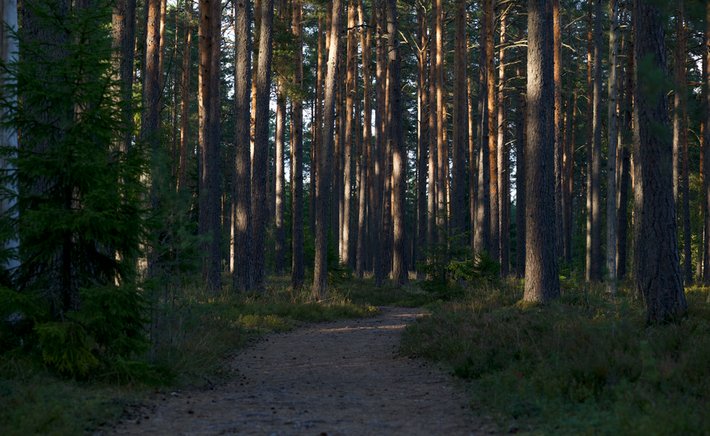
There is a particular kind of silence that exists only in a forest. It isn't true silence, of course — the wind moves through the canopy, birds call to one another, and leaves rustle underfoot. But it is a silence of the mind, a gentle quieting of the constant chatter that follows us through our days. The Japanese have a name for the practice of deliberately immersing yourself in this environment: shinrin-yoku, or forest bathing. It isn't a hike, and it isn't exercise in the traditional sense. It is simply being present among trees, letting the forest do what it has always done for human beings.
The practice began in Japan during the 1980s as a response to the stress of modern urban life, and it has since spread around the world. What makes forest bathing different from a normal walk is intention. You aren't trying to reach a destination or burn calories. You are opening your senses — the smell of damp earth, the texture of bark, the quality of light filtering through leaves — and allowing yourself to slow down to the pace of the natural world.
How to Begin Without Overthinking It
The beauty of forest bathing is that it requires almost nothing. No special equipment, no membership, no app. Find a place with trees — a park will do if a forest isn't nearby — and give yourself at least twenty minutes. Leave your headphones at home. Put your phone on silent, or better yet, in your bag. The first few minutes may feel strange, especially if you are used to walking with purpose. Let that strangeness pass.
Start by standing still. Notice your breath. Notice the temperature of the air on your skin. Then begin to walk slowly, without a route in mind. If a particular tree catches your attention, go stand near it. Touch the bark. Look up at the branches. Sit on a rock if one invites you. The goal is not to accomplish anything but to let your attention rest on what is actually here rather than on the mental list of what comes next.
Many people find that their thoughts become quieter within ten or fifteen minutes. This isn't magic — it's simply what happens when the nervous system is given a break from screens, notifications, and the low hum of urgency that modern life produces. The forest offers a rhythm that is slower and older than ours, and our bodies remember it.
Making It a Regular Practice
Forest bathing works best as a habit rather than a one-time experience. Even a short visit once or twice a week can begin to shift how you feel. Some people pair it with a morning routine, stopping at a wooded park on the way to work. Others make it a weekend ritual, seeking out a larger forest or nature reserve when they have more time.
You don't need to call it forest bathing if the term feels too formal. You can simply call it going outside. What matters is the willingness to slow down and let nature set the pace. Over time, you may notice that the quiet you find among the trees begins to follow you home — a small reserve of calm you can return to when the day grows loud. That, more than anything, is the gift the forest offers.

Author

22 feb,2025
This incident opened my eyes to the value of Insurance in general, so I decided to examine my personal and business insurance.



Comment (3)
The payments are made directly from one person to another without passing through a central bank or clearing house.
22 feb,2025
ReplyBringing the Outdoors In: Simple Ways to Make Your Home Feel More Natural
23 feb,2025
ReplyMorning Light Matters: Building a Gentle Sunrise Routine
23 feb,2025
Reply