October 1, 2026 Post by : Editorial Seasonal Living
Bringing the Outdoors In: Simple Ways to Make Your Home Feel More Natural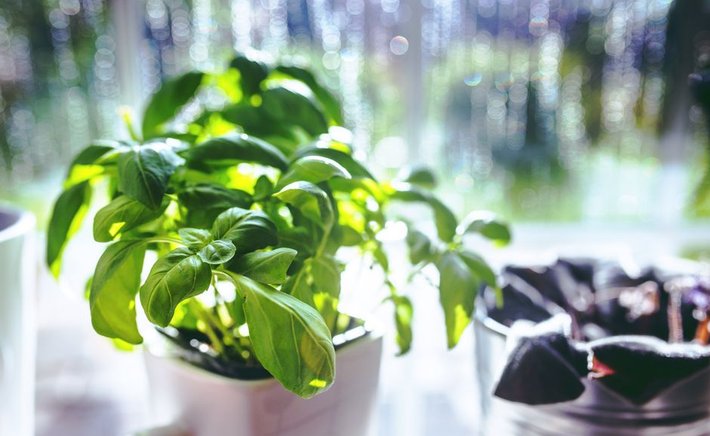
There is something quietly satisfying about snipping a few leaves of basil from a plant you grew yourself and dropping them into a pot of pasta. It is a small act, but it connects you to your food in a way that a plastic clamshell from the supermarket never quite does. The good news is that you don't need a garden, a balcony, or even much space at all. A sunny windowsill and a handful of pots are enough to grow a surprising amount of flavor.
Herbs are forgiving plants, which makes them ideal for beginners. They don't demand rich soil or perfect conditions. What they do need is light — ideally six hours of direct sun a day — and consistent watering. A south- or west-facing window is usually the best spot. If your window faces north, you may need to supplement with a small grow light, but many herbs will still manage, just a little more slowly.
Choosing the Right Herbs for Your Space
Not all herbs behave the same way indoors, and choosing the right ones for your situation makes a big difference. Basil loves heat and sun and will thrive on a bright sill, though it needs regular pinching to keep from getting leggy. Mint is nearly impossible to kill, but it spreads aggressively, so give it its own pot. Rosemary prefers drier soil and a lot of light; it can be fussy indoors but rewards patience. Thyme, oregano, and sage are all relatively low-maintenance and tolerate a bit of neglect.
Parsley and cilantro are also good choices, though they have a shorter lifespan indoors and may need to be replanted every few months. Chives are another easy win — they grow in tight clumps and will keep producing for a long time if you snip them regularly rather than pulling whole stems.
Start with two or three herbs rather than trying to grow everything at once. It is better to have three healthy plants than ten struggling ones. Terracotta pots work well because they allow soil to breathe, but any pot with drainage holes will do. Fill them with a light, well-draining potting mix rather than garden soil, which compacts indoors.
Caring for Your Herbs Through the Seasons
Watering is where most indoor herb gardens fail. Overwatering is far more common than underwatering, and it leads to root rot. Check the soil with your finger before watering — if it feels damp an inch down, wait another day. When you do water, water thoroughly until it runs out the drainage holes, then empty the saucer so the roots don't sit in standing water.
Feed your herbs lightly every few weeks with a diluted liquid fertilizer during the growing season. In winter, most herbs slow down and need less water and no fertilizer at all. Harvest regularly — this encourages bushier growth — but never take more than a third of the plant at once. Rotate your pots every few days so all sides get equal light. With a little attention, a windowsill garden can provide fresh flavor for months, and the act of tending it becomes its own small daily pleasure.


Author
22 feb,2025
This incident opened my eyes to the value of Insurance in general, so I decided to examine my personal and business insurance.





Comment (3)
The payments are made directly from one person to another without passing through a central bank or clearing house.
22 feb,2025
ReplyRainy Day Wellness: Finding Comfort Without Hiding From the Weather
23 feb,2025
ReplyThe Case for a Weekly Nature Walk (Even When You Are Busy)
23 feb,2025
Reply