September 10, 2026 Post by : Editorial Seasonal Living
Growing a Windowsill Herb Garden: Small Space, Big Flavor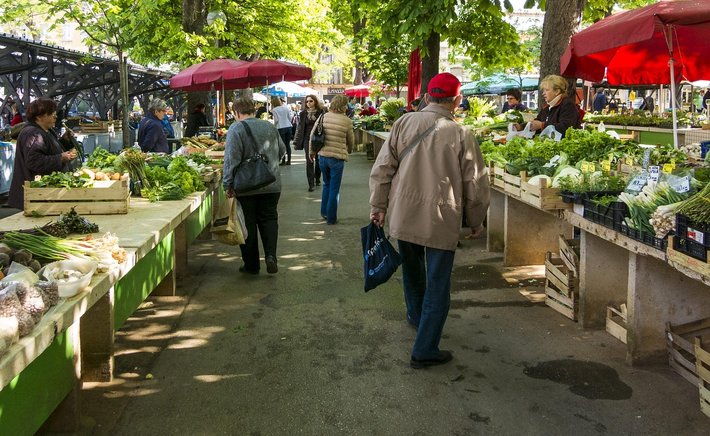
There is a moment in late summer when a tomato tastes like an entirely different food than the one you bought in January. That is not imagination. It is seasonality — the simple fact that produce grown in its natural window tastes better, costs less, and often needs less done to it.
Eating with the seasons does not require a farm, a garden, or a strict philosophy. It requires curiosity and a willingness to let the market, not the recipe, lead.
Let the Produce Choose the Meal
Most of us shop the other way around. We pick a recipe, then buy the ingredients. Seasonal cooking flips this. You go to the market or the produce aisle, see what looks good, and build a meal around it. This is how home cooks have worked for most of human history, and it is still the easiest way to eat well.
If you are not sure what is in season, pay attention to what is abundant and affordable. Supermarkets quietly signal seasonality through price and display. Farmers markets make it obvious. When something is piled high and inexpensive, that is your cue.
Keep the cooking simple. A seasonal vegetable usually needs olive oil, salt, and heat. Maybe garlic. Maybe lemon. Maybe a little butter. The produce is doing the work. Your job is not to overwhelm it.
This approach also makes meal planning easier, not harder. Instead of deciding everything in advance, you decide a framework — a grain, a protein, a vegetable — and let the specifics shift with what is available.
Preserve a Little of Each Season
One of the quiet pleasures of seasonal eating is learning to stretch a season just a bit. Freeze berries at their peak. Make a big batch of tomato sauce in late summer. Dry herbs before the first frost. Pickle whatever is threatening to overwhelm your counter.
You do not need special equipment. A freezer bag, a baking sheet, and a few jars will get you far. The goal is not a pantry worthy of a magazine. The goal is a small stash of summer in the middle of February — a handful of frozen blueberries in your oatmeal, a jar of sauce on a cold night.
Over time, seasonal eating changes how you experience the year. Spring becomes green and tender. Summer becomes bright and juicy. Autumn becomes earthy and sweet. Winter becomes rooty and slow. Each season has its own flavor, and you get to taste it as it arrives.


Author

22 feb,2025
This incident opened my eyes to the value of Insurance in general, so I decided to examine my personal and business insurance.





Comment (3)
The payments are made directly from one person to another without passing through a central bank or clearing house.
22 feb,2025
ReplyRainy Day Wellness: Finding Comfort Without Hiding From the Weather
23 feb,2025
ReplyThe Case for a Weekly Nature Walk (Even When You Are Busy)
23 feb,2025
Reply