September 25, 2026 Post by : Editorial Mindfulness
Rainy Day Wellness: Finding Comfort Without Hiding From the Weather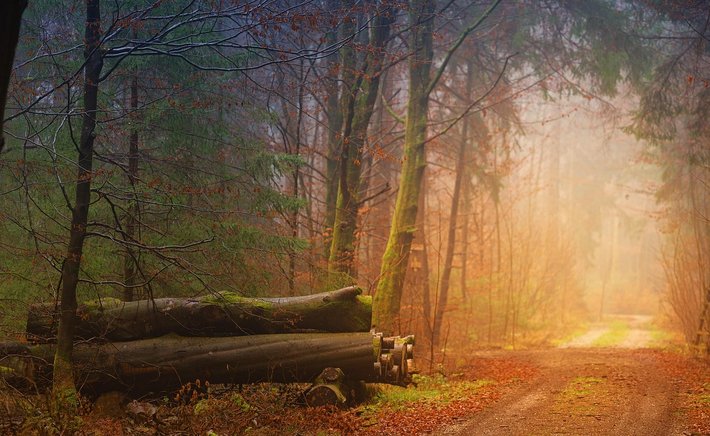
Watch a tree in autumn. It does not panic. It does not try to hold onto every leaf. It lets them go, one by one, in their own time, until the branches are bare and the tree stands quiet against the sky. There is no struggle in it, no sense of failure. The tree simply does what the season asks of it, and in doing so, it prepares for what comes next. There is something in this worth learning.
We live in a culture that prizes speed. Faster responses, faster results, faster growth. We measure our days by how much we accomplish and our worth by how productive we are. But the natural world operates on a different clock, one that moves in cycles rather than straight lines. Seeds spend months underground before they sprout. Buds wait through cold nights before they open. Nothing in nature hurries, and yet everything arrives exactly when it should.
What the Seasons Teach Us About Rest
Winter is perhaps the most misunderstood season. We tend to see it as a dead time, a pause between the real seasons of growth. But winter is not dead — it is dormant. Under the frozen ground, roots are still growing. Seeds are still waiting. The tree is not resting because it has failed; it is resting because rest is part of the work. Without winter, there would be no spring. The energy that fuels new growth is gathered in the quiet months.
Human beings are not so different. We need fallow seasons too — times when we are not producing, not striving, not achieving. Times when we are simply replenishing. Our culture often treats these periods as wasted, but they are not. They are the soil in which future growth is prepared. If you have ever felt guilty for resting, consider that the earth itself rests every year, and the result is a world full of life.
Finding Your Own Rhythm
Slowing down is not about doing less for the sake of doing less. It is about finding a pace that matches your actual life rather than the imaginary life that productivity culture asks you to live. It might mean taking a walk without a destination. It might mean leaving the dishes until morning. It might mean saying no to something that sounds impressive but leaves you depleted.
Start small. Choose one thing you normally rush through and do it slowly instead. Drink your tea without checking your phone. Fold the laundry without a podcast playing. Sit by a window and watch the light change. These small acts of slowness are not indulgences — they are reminders that you are a living being, not a machine. The seasons will keep turning whether you keep up or not. You might as well move at a pace you can actually feel.


Author

22 feb,2025
This incident opened my eyes to the value of Insurance in general, so I decided to examine my personal and business insurance.


Comment (3)
The payments are made directly from one person to another without passing through a central bank or clearing house.
22 feb,2025
ReplyThe Case for a Weekly Nature Walk (Even When You Are Busy)
23 feb,2025
ReplyCooking With the Season: A Simple Guide to Eating What Is Growing Now
23 feb,2025
Reply